

Immediate psychiatric care via telehealth in Georgia is available through same-day virtual appointments, crisis hotlines, and state-supported telemedicine frameworks. This guide covers how to access urgent mental health support, navigate the 988 crisis system, and utilize secure telepsychiatry for ongoing care. We detail the specific options available to residents seeking timely, evidence-based psychiatric evaluations and medication management without the barriers of traditional in-person visits.
Crisis Hotlines and the 988 System
When a mental health emergency occurs, the first step is often contacting a crisis resource. The 988 Suicide and Crisis Lifeline is the primary national resource for immediate support. In Georgia, the state has integrated its crisis response systems to ensure that individuals in distress can access screening and referral services. The Georgia crisis system provides screening and referral for appropriate outpatient services and community resources for individuals who are not in crisis but who are seeking access to behavioral health care. This integration ensures that even those who do not meet the threshold for emergency intervention can be connected to the right level of care.
Immediate Crisis Resources
For individuals in immediate medical crisis, calling 911 remains the standard protocol. However, for mental health crises specifically, the 988 Lifeline offers a dedicated channel for support. The state of Georgia also offers adult mental health crisis services designed to prevent emergency room visits or psychiatric inpatient hospitalization. These services focus on linkage to other appropriate levels of care to effectively support the individual. Understanding the distinction between a medical emergency and a mental health crisis is crucial for choosing the right initial contact point.
Community and State Support
Georgia’s Department of Behavioral Health and Developmental Disabilities (DBHDD) oversees various support systems. These include resources for older adults and caregivers, as well as specific housing services for adults with mental health needs. For those transitioning back into the community from a psychiatric inpatient facility, crisis respite services provide a supportive environment. These state-backed resources form the safety net that operates alongside private telehealth providers, ensuring that no individual is left without a pathway to stabilization.
Same-Day Telepsychiatry Options
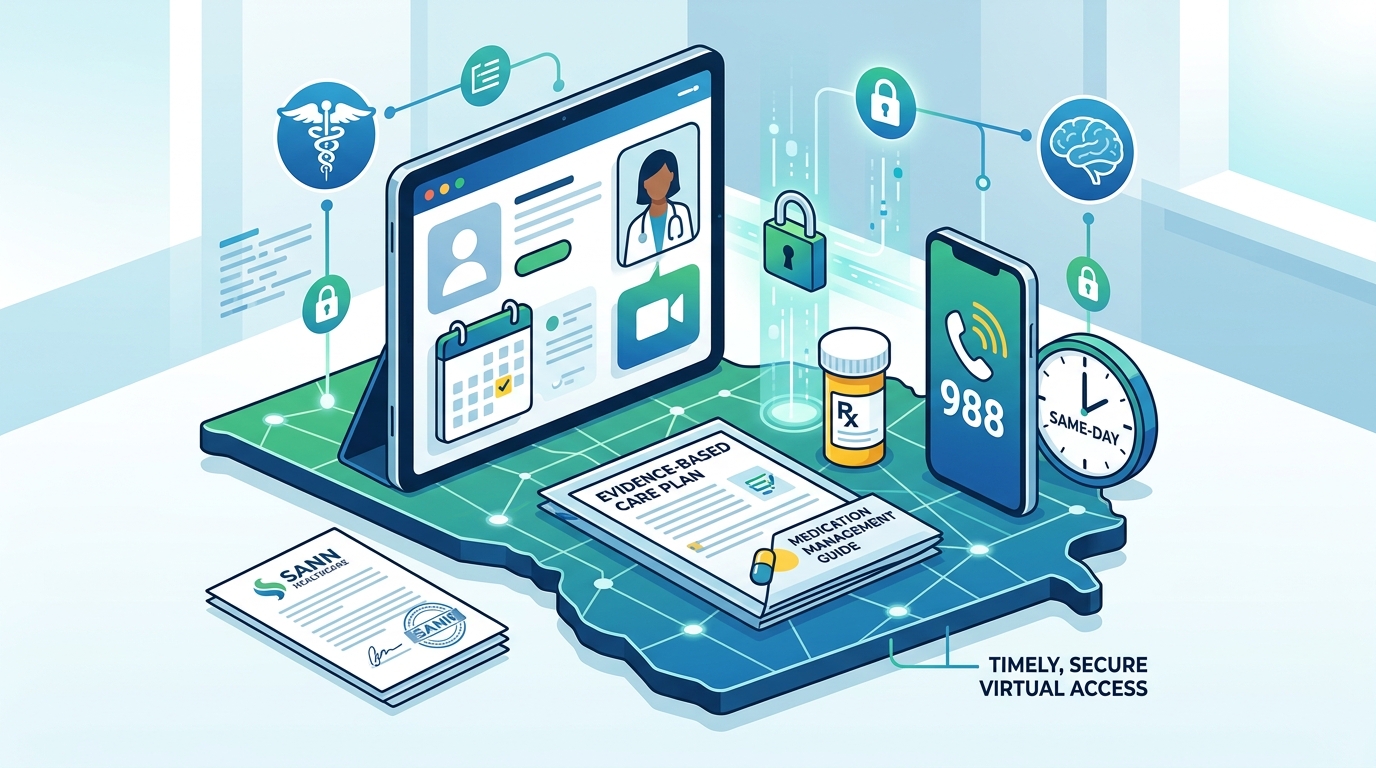
Benefits of Virtual Care
Virtual psychiatric care allows patients to connect with a provider from a private and appropriate location. This convenience is significant for individuals with demanding work schedules, transportation difficulties, or those who prefer the comfort of a familiar environment. The provider can conduct a full psychiatric evaluation, discuss symptoms, and review medical history via secure video. This method ensures that care remains personal and individualized, even when delivered remotely. The goal is to help individuals understand their concerns and determine what type of professional care may be appropriate.
Conditions Treated via Telehealth
Telepsychiatry is effective for a wide range of conditions, including ADHD, anxiety, depression, bipolar disorder, and PTSD. For example, individuals struggling with attention deficit hyperactivity disorder can receive comprehensive treatment that addresses neurodevelopmental issues and executive function. Similarly, those with mood disorders can engage in medication management and counseling through virtual sessions. The key is that the provider must be able to accurately assess the patient’s condition through the virtual medium, which is supported by current telemedicine standards.
Georgia Telemedicine Legal Framework
The practice of telepsychiatry in Georgia is governed by specific state regulations. The Georgia Composite Medical Board has established rules for telemedicine that have been in effect since 2014. These rules were eased during the pandemic to facilitate broader access to care, and certain flexibilities have been extended to ensure continuity of services. Understanding this legal framework is important for patients to know that their virtual care is provided within a regulated and safe environment. The board’s oversight ensures that providers meet specific standards for licensure and practice.
Tele-Prescribing Rules
One of the critical aspects of telepsychiatry is the ability to prescribe medication remotely. The Georgia Composite Medical Board has addressed tele-prescribing flexibility, allowing providers to prescribe certain medications via telehealth. This is essential for conditions that require pharmacological intervention, such as severe depression or bipolar disorder. Patients should be aware that while tele-prescribing is permitted, it is subject to specific guidelines that ensure patient safety. The extension of these flexibilities until May 1 of the current year indicates a continued commitment to maintaining access to necessary medications.
Provider Qualifications
Providers offering telepsychiatry in Georgia must be properly licensed and certified. For instance, a Psychiatric Mental Health Nurse Practitioner (PMHNP) is a qualified professional who can diagnose and treat mental health conditions. Dr. Noushin Vastani, the founder of SANN Healthcare, is a double board-certified Nurse Practitioner with over 20 years of clinical experience. Her qualifications ensure that patients receive care from a highly trained professional who adheres to state and national standards. Verifying a provider’s credentials is a key step in ensuring the quality of your telehealth experience. according to Adult Mental Health
Insurance and Medicaid Coverage
Cost is often a barrier to accessing mental health care, but insurance coverage can significantly reduce out-of-pocket expenses. In Georgia, many insurance plans, including Medicaid, cover psychiatric services. The state’s Medicaid program, Peach State Health Plan, provides coverage for mental health treatments, ensuring that individuals with limited financial resources can still access professional care. It is important to check with your specific insurance provider to understand the extent of coverage for telehealth services. Most major insurance providers, including Aetna, Cigna, and UnitedHealthcare, accept telepsychiatry visits.
Medicaid and Low-Cost Options
For those without insurance or with limited finances, there are several possibilities for obtaining counseling and psychiatric care at a lower cost. Georgia’s DBHDD offers various services that may be accessible to Medicaid enrollees. Additionally, some providers offer sliding scale fees or accept specific Medicaid plans. SANN Healthcare works with a wide range of insurance plans, including commercial insurance, Medicare, and Medicaid options. This broad acceptance ensures that financial constraints do not prevent individuals from receiving the care they need. Patients should verify their benefits before their first appointment to ensure seamless billing.
Verifying Benefits
Before scheduling a telehealth appointment, it is advisable to contact your insurance provider to confirm coverage. Ask about copays, deductibles, and whether the specific provider is in-network. This step can prevent unexpected costs and ensure that your care is covered. Many providers, including SANN Healthcare, have resources available to help patients navigate insurance verification. By understanding your coverage, you can make informed decisions about your treatment plan and avoid financial surprises.
The Psychiatric Evaluation Process
The initial step in receiving psychiatric care is a comprehensive evaluation. This process involves a detailed discussion of your symptoms, medical history, and current lifestyle. The provider will assess how your symptoms are affecting your daily life, including work, relationships, and sleep. This evaluation is not just about identifying a condition; it is about understanding the root causes of your distress and determining the most appropriate treatment plan. For those seeking FMLA or short-term disability evaluations, this process also includes assessing the impact of the condition on professional responsibilities.
What to Expect During the First Visit
The first visit with a psychiatrist or psychiatric nurse practitioner is primarily focused on getting to know you and your history. There is no need to have all your issues clarified before the visit. The provider will ask about your current symptoms, any previous treatments, and your goals for care. This collaborative approach ensures that the treatment plan is tailored to your specific needs. At SANN Healthcare, the first session is designed to be empowering and supportive, helping you feel comfortable and understood.
Documentation for Work and Disability
For individuals whose mental health conditions impact their ability to work, psychiatric evaluations can provide necessary documentation for FMLA or disability claims. This documentation is based on a comprehensive assessment of symptoms and their functional impact. It is important to note that the evaluation is unique to each individual and is not a general standard per diagnosis. The provider will assess relevant symptoms, treatment needs, and how the condition may be impacting a person's daily and professional responsibilities. This documentation can be crucial for securing the time and support needed for recovery. according to Mental health care
Key Takeaways
- The 988 Lifeline is the primary resource for immediate mental health crisis support in Georgia.
- Same-day telepsychiatry provides rapid access to professional care without the wait times of traditional appointments.
- Georgia’s telemedicine rules, overseen by the Composite Medical Board, regulate and support the practice of virtual psychiatry.
- Insurance and Medicaid coverage can significantly reduce the cost of telehealth psychiatric services.
- A comprehensive psychiatric evaluation is the foundation of an effective treatment plan.
- Providers like SANN Healthcare offer individualized, evidence-based care for a wide range of mental health conditions.
- Verifying insurance benefits and provider qualifications is essential before starting telehealth care.
- Telehealth is a viable and effective option for ongoing medication management and therapy.
Frequently Asked Questions
What is the 988 Lifeline?
The 988 Lifeline is a national crisis support system that provides immediate, free, and confidential support for individuals in mental health distress. In Georgia, it is integrated with state crisis services to ensure comprehensive care.
Can I get a psychiatric evaluation via telehealth in Georgia?
Yes, psychiatric evaluations can be conducted via telehealth in Georgia. Providers must adhere to state telemedicine rules, but virtual evaluations are a standard and effective method of care.
Does insurance cover telepsychiatry in Georgia?
Most major insurance plans and Medicaid cover telepsychiatry services in Georgia. It is important to verify your specific benefits with your insurance provider before your appointment.
What conditions can be treated via telehealth?
Telehealth can be used to treat a wide range of conditions, including ADHD, anxiety, depression, bipolar disorder, and PTSD. The provider will determine if telehealth is appropriate for your specific needs.
How do I find a same-day psychiatric appointment?
You can search for providers that offer same-day appointments, such as SANN Healthcare. These providers use virtual platforms to connect with patients quickly, reducing wait times.
Is telehealth as effective as in-person care?
Research and clinical experience show that telehealth can be as effective as in-person care for many mental health conditions. The key is a strong therapeutic relationship and appropriate assessment. according to Low Cost Mental
Can I get FMLA documentation from a telehealth provider?
Yes, telehealth providers can provide documentation for FMLA or disability claims if it is medically indicated. The evaluation will assess the impact of your condition on your ability to work.
What should I bring to my first telehealth appointment?
You should have a list of your current medications, any previous medical records, and a list of your symptoms and concerns. A quiet, private space is also recommended for the video call.
Conclusion
Accessing immediate psychiatric care via telehealth in Georgia is more accessible than ever. From crisis hotlines like 988 to same-day virtual appointments with qualified providers, there are multiple pathways to support. Understanding the legal framework, insurance coverage, and evaluation process empowers you to make informed decisions about your mental health. SANN Healthcare is committed to providing compassionate, individualized, and evidence-based care through secure telehealth. If you are seeking timely and convenient access to psychiatric services, consider reaching out to a trusted provider to begin your journey toward better mental well-being.